summary
Europe is a land of contention, but it can become a space of resistance once again. Beyond liberal democracy, beyond nationalism: towards a Europe of autonomies, of cosmopolitan and rebellious cities, of movements
—————————————————
dESCRIption
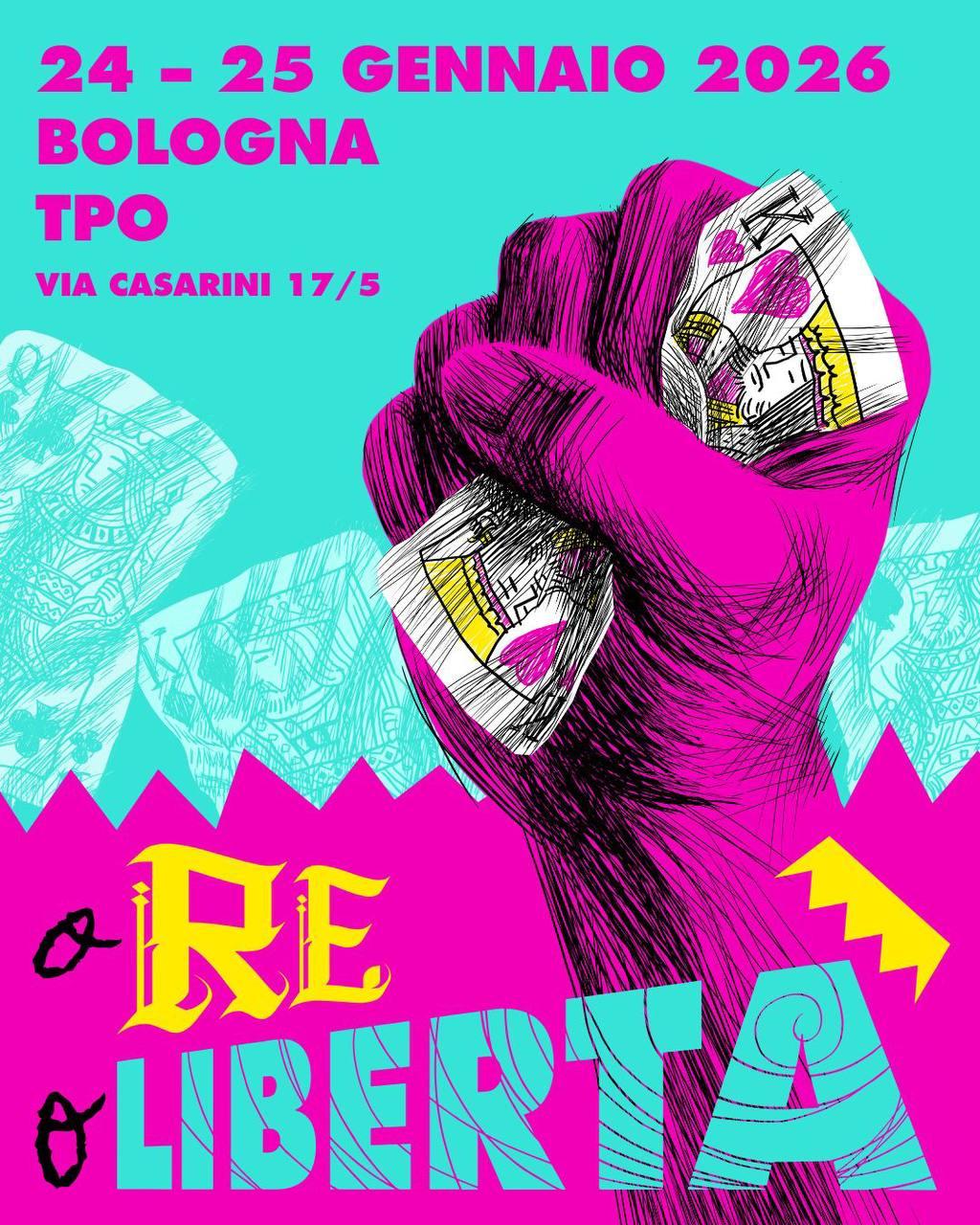
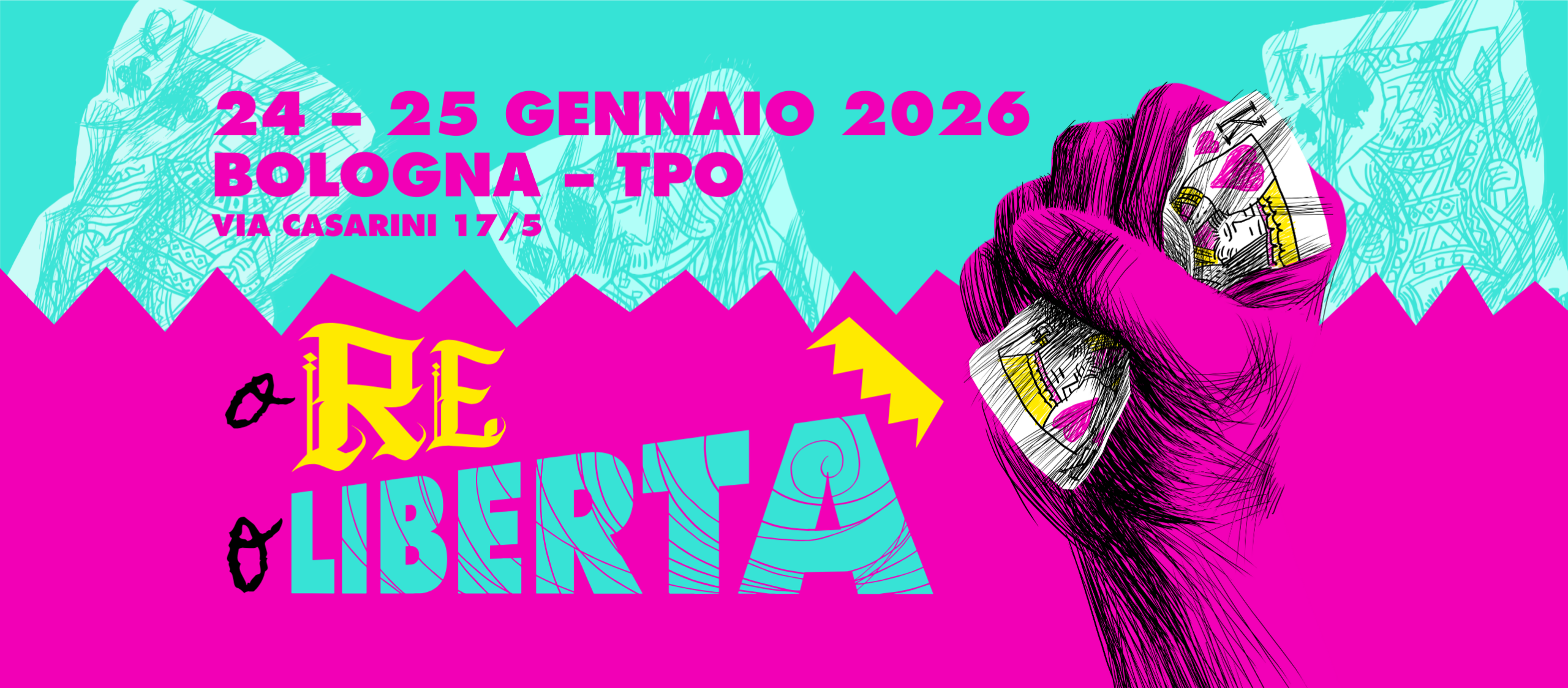
Europe is a contested land caught between new kings and nationalism.
Either a “power among powers” EU or the return to a Europe of nations are the options that accompany the national rearmament plan signed at the European level, with major private corporations as the only true winners. The horizon that emerges is one of a continent united in militarization and divided among authoritarian sovereignties, under the imperial influence of political powers that do not represent us; powers that proclaim peace but in reality negotiate surrender, with the primary goal of concentrating ever more wealth in the hands of a few. As a contested land, Europe becomes a land of resistance from which to rethink the European model needed to confront the crisis: beyond liberal democracy, beyond sovereigntist nationalism, beyond an increasingly oligarchic capitalism.
We feel the need to open spaces for discussion, beginning to untangle the knots that have for too long prevented us from thinking of Europe as a political project that truly concerns us. So: from Kyiv to Lisbon, from Helsinki to Tunis, how can we refuse war without accepting an unjust peace? What do “right to defense” and “security” mean from a truly communal perspective, in a world where international law seems to have ceased functioning? And beyond war, how can we overcome the question of the State, understood both as individual nation-states and as a European superpower? How can we subvert the idea of integration that has increasingly become an identity-based model, founded on the notion of Europe as a “white,” Christian, and civilizer space? How can Europe become a space where those who inhabit it—or wish to—enjoy citizenship rights and, with them, all fundamental rights necessary for a dignified life? Are we so sure that Europe represents the expression of a pure and monolithic West, or is it rather a land of intersection between continents, whose borders can be transformed into opportunities and a common good?
How can a new idea of Europe be built, democratically confederated, starting from autonomies and forms of self-government, from already cosmopolitan cities, and from urban movements that resist authoritarian pressure and ongoing expropriation? And how can we move beyond the crisis of liberal democracy and financial capitalism, not by claiming outdated models, but by daring to imagine a system of production, consumption, and coexistence that is radically democratic, ecological, transfeminist, and committed to peace? We cannot settle for slogans to decide which side to take: this is a complex ground that requires discussion, perspective, and vision, not crude factionalism. Europe is the space where our struggles converge: from housing to income, from the social reclaiming of common goods to production rooted in ecosystem protection, from the redistribution of collective wealth to the guarantee of rights, from the right to dissent and participatory democracy to freedom of movement. A space to reinvent starting from practices of struggle, where resistance becomes possibility, and possibility becomes a shared project